July 16, 2026
The commercial landscape for climate control providers is undergoing a massive transformation as customer demands shift and industrial infrastructure becomes more sophisticated. Companies that navigate this landscape successfully do not rely on luck; rather, they implement deliberate strategies that differentiate them from standard service providers. Understanding the underlying drivers of this industry reveals why certain enterprises thrive while others struggle to maintain their footing. Growth across the nation shows that opportunity is abundant for organizations ready to scale their capabilities. According to GlobeNewswire, the US HVAC market, which includes air conditioning, was valued at $31.26 billion in 2024 and is forecast to grow to $38.45 billion by 2030. This massive expansion highlights the immense potential available for any forward-thinking HVAC business aiming to capture a larger share of the market. To achieve sustainable long-term success, a modern HVAC business must evaluate the core methodologies that industry leaders utilize to outperform their competitors. These methodologies span across multiple facets of organizational management, establishing a comprehensive blueprint for superior marketplace performance.
Embracing Advanced Technological Solutions
Leading organizations in the industry recognize that relying on outdated systems limits productivity and restricts financial expansion. High-performing enterprises proactively adopt sophisticated enterprise resource planning software that connects office personnel with field technicians in real time. This seamless digital connection allows for instantaneous scheduling updates, automated inventory tracking, and rapid invoicing, eliminating administrative bottlenecks that frequently stall standard operations. By removing physical paperwork from the equation, technicians focus entirely on diagnosing mechanical problems and delivering high-quality repairs, rather than filling out manual forms. This comprehensive digital adoption ensures that every aspect of the client history is accessible instantly, providing team members with comprehensive insights into past service calls and equipment specifications before they arrive at a job site. Consequently, this instantaneous access to operational data empowers representatives to deliver tailored recommendations that perfectly match the specific architectural requirements of each building.
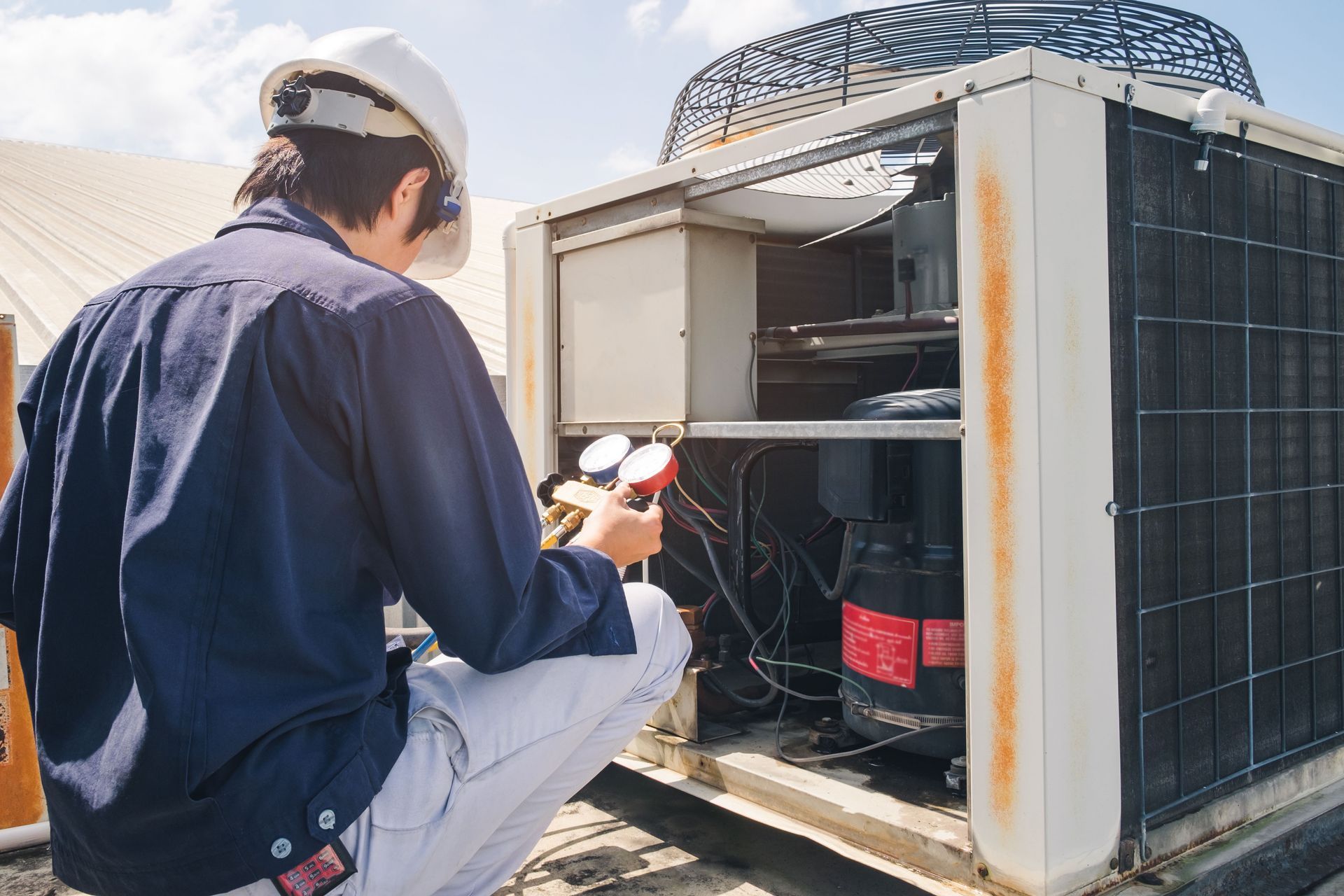
Beyond internal software systems, top-tier companies leverage diagnostic equipment and smart monitoring tools to anticipate system failures before catastrophic breakdowns occur. Utilizing predictive maintenance technology enables a proactive approach to climate control, transforming how an HVAC business interacts with residential and commercial properties. Technicians utilize advanced sensors and thermal imaging devices to detect minor performance anomalies that standard inspections might overlook completely. This level of technical precision builds immense trust with clients who appreciate the preventative measures that safeguard their comfort and lower their utility expenses over time. Ultimately, incorporating these modern technological systems creates an elite standard of service delivery that helps a progressive HVAC business distance itself from traditional competitors.
Developing Continuous Employee Education
The core strength of any service organization resides within the technical capability and professionalism of its field personnel. Elite enterprises understand that technical training cannot be a sporadic event, but must instead represent a continuous organizational commitment. These industry leaders establish structured training programs that keep technicians educated on the latest environmental regulations, energy efficiency standards, and complex electrical systems. Providing consistent educational opportunities ensures that the workforce remains highly skilled and capable of handling sophisticated modern equipment with absolute confidence. Furthermore, this focus on education minimizes costly installation errors, reduces safety incidents, and significantly lowers the frequency of uncompensated callback requests from unsatisfied property owners.
In addition to technical expertise, top companies place immense emphasis on cultivating strong communication skills and interpersonal professionalism within their workforce. Technicians are frequently the main face of the HVAC business that a homeowner or property manager encounters directly. Consequently, training programs often incorporate modules on active listening, clear explanation of technical issues, and respectful customer engagement practices. Employees who communicate clearly build immediate rapport with clients, transforming a routine service call into a reassuring and professional consultation. This balanced investment in mechanical mastery and interpersonal communication fosters an internal corporate culture of excellence, which directly enhances employee retention and attracts premium talent looking for a structured career path within a progressive HVAC business.
Prioritizing Exceptional Customer Relations
Exemplary organizations realize that client satisfaction extends far beyond the successful repair or installation of heating and cooling machinery. Superior companies design every client touchpoint with convenience, transparency, and responsiveness in mind from the initial contact. From user-friendly online booking systems to automated text notifications showing the precise location of an arriving technician, these businesses remove friction from the customer journey. Clear communication regarding pricing and project timelines eliminates surprises, establishing a foundation of honesty that modern consumers deeply appreciate. When clients feel respected and informed throughout the entire process, they develop a deep loyalty that insulates the HVAC business from local price competition.
Maintaining long-term relationships requires a structured approach to post-service follow-up and comprehensive warranty management. Industry leaders do not simply collect payment and disappear; they actively seek feedback through automated surveys to measure satisfaction and identify areas for operational improvement. If a customer expresses dissatisfaction, these elite organizations respond immediately to resolve the issue, demonstrating that customer peace of mind is an absolute organizational priority. Offering robust maintenance agreements also ensures that clients receive regular inspections, keeping their systems running efficiently while securing a steady stream of recurring revenue for the service provider. This relentless focus on creating a positive, stress-free customer relationship turns typical consumers into enthusiastic brand advocates who generate valuable word-of-mouth referrals.
Optimizing Daily Operational Workflows
Operational efficiency behind the scenes separates highly profitable companies from those that merely survive from month to month. Top-performing enterprises analyze their internal workflows continuously to eliminate wasted motion, excessive travel time, and inventory mismanagement. Sophisticated routing algorithms ensure that technicians travel the shortest distances between service appointments, reducing vehicle wear and fuel expenditures significantly. Moreover, maintaining fully stocked service vehicles means that technicians possess the necessary components to complete common repairs during their initial visit, boosting initial resolution rates. This meticulous attention to logistical details maximizes the billable hours of the workforce while providing faster relief to clients experiencing climate control emergencies.
Effective supply chain management and strategic vendor relationships also play a critical role in optimizing these daily business workflows. Leading companies establish strong partnerships with reputable equipment distributors to guarantee part availability and secure favorable pricing structures. By managing inventory levels precisely through automated tracking software, a company avoids tying up excessive capital in unused warehouse stock while avoiding unexpected shortages during peak seasonal demand. This operational readiness allows the organization to respond to large-scale installations or emergency requests much faster than less organized competitors. Streamlining these backend processes ensures that the entire enterprise functions as a cohesive, highly profitable unit capable of weathering seasonal market fluctuations. Furthermore, strong regional supply channels reduce transit delays, ensuring that replacement components arrive precisely when needed to minimize equipment downtime for valuable patrons.
Achieving market leadership in the climate control industry requires a comprehensive dedication to operational excellence, technological advancement, and workforce empowerment. The distinction between average operations and top-tier enterprises lies in the willingness to abandon outdated methods and embrace forward-thinking strategies. By optimizing logistical workflows, maintaining continuous technical education, and delivering unparalleled customer service, successful organizations establish an untouchable competitive advantage. As the industry expands nationwide, implementing these advanced methodologies will remain essential for any organization striving to secure long-term profitability and community trust. For property owners seeking exceptional reliability, professional expertise, and top-tier maintenance for their heating and cooling systems, the definitive choice is to contact T M Air Conditioning & Heating Services LLC.